

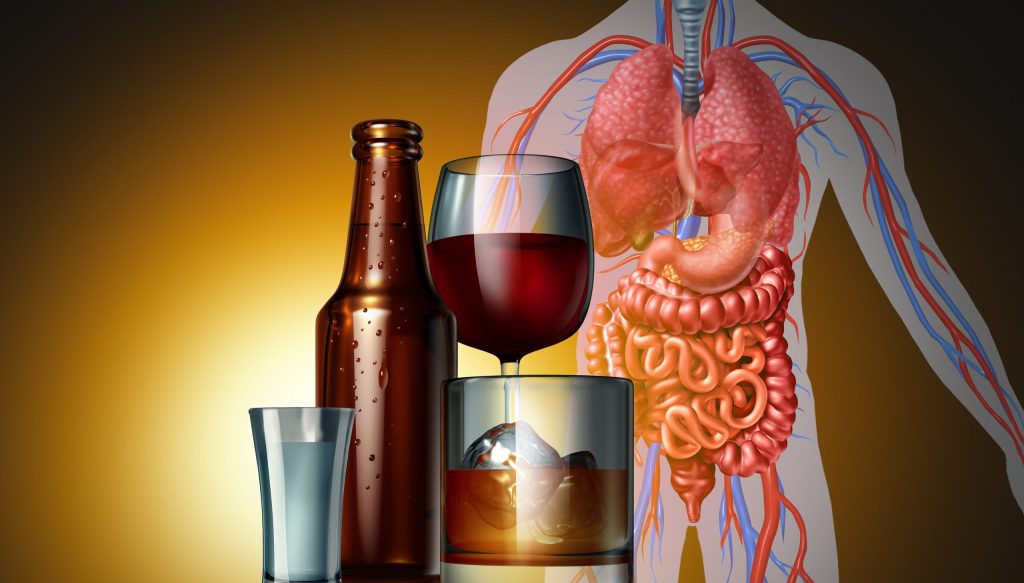
Alcohol progressively damages organs, disrupting hepatic, cardiac, pancreatic and gastrointestinal systems, undermining long-term physiological stability. You might feel only a pleasant buzz, while deeper changes quietly accumulate. Those changes affect how blood flows, how cells repair themselves, how hormones behave. Over months and years, heavy or frequent drinking can reshape multiple organ systems. Newer research suggests even modest drinking carries measurable risks for some organs and cancers. At the same time, your body has remarkable capacity to heal when alcohol intake decreases. Understanding what happens inside makes decisions about drinking feel less abstract and more personal.
Alcohol’s journey from mouth to bloodstream
Every sip of alcohol starts its journey in your mouth and stomach. A small portion absorbs directly through the lining of your mouth and stomach. Most passes into the small intestine, where it enters the bloodstream very quickly. From there, it circulates to almost every organ, not just the liver alone. Your liver processes part of the alcohol, but only at a limited hourly rate. The remaining alcohol keeps traveling, affecting your brain, heart, gut, pancreas and immune system. Health agencies now emphasize that alcohol’s impact is truly body wide, not locally confined.
Liver under constant metabolic pressure
The liver acts like your main detoxification laboratory for alcohol metabolism. Enzymes there convert alcohol into acetaldehyde, a highly reactive and toxic substance. Acetaldehyde then breaks down into acetate, which your body can handle more easily. Problems begin when drinking exceeds what those enzymes comfortably manage over time. Chronic heavy use increases fat deposits, inflammation and scarring inside liver tissue. That process can progress from simple fatty liver toward hepatitis and eventually cirrhosis. In cirrhosis, healthy tissue slowly gets replaced by stiff scar tissue, limiting essential functions. According to our editor’s research, many people still associate alcohol harm only with cirrhosis, not earlier stages.
Brain and nervous system changes over time
Alcohol reaches your brain within minutes, crossing the blood brain barrier with ease. At low doses, it slows reaction times and alters judgment, often before you notice. Repeated episodes of heavy drinking can change brain wiring and chemical signaling pathways. Studies show shrinkage in memory related regions with long term high consumption. Even moderate intake has been linked with reduced brain volume in some research. Over years, these changes can contribute to problems with concentration, mood and planning. Some people develop alcohol related brain damage, where thinking and memory worsen significantly. Organisations focusing on dementia now recognise long standing heavy drinking as an important risk factor.
Heart and blood vessels under strain
Alcohol affects your cardiovascular system in several interconnected ways. In the short term, it often raises heart rate and dilates certain blood vessels. Repeated heavy use tends to increase blood pressure and can disturb heart rhythm. Atrial fibrillation episodes sometimes appear after intense drinking sessions, even in younger adults. Long term heavy intake raises risk for cardiomyopathy, a weakening of heart muscle. That weakening makes it harder for the heart to pump blood efficiently around your body. Combined with higher blood pressure and cholesterol changes, overall risk of stroke also increases. Major cardiology societies now stress that any potential heart benefit never cancels those established dangers.
Pancreas, stomach and gut on the front line
Your pancreas is especially vulnerable to alcohol’s irritating effects. Alcohol can trigger the pancreas to release digestive enzymes too early inside its own tissue. This misfiring leads to inflammation called pancreatitis, which can be acute or chronic. Acute pancreatitis brings intense abdominal pain and sometimes requires urgent hospital care. Chronic pancreatitis damages tissue gradually, disturbing digestion and blood sugar balance over time. Alcohol also irritates the stomach lining, increasing risk of gastritis and ulcer symptoms. In the intestines, it disrupts the barrier that usually keeps toxins out of circulation. That disruption can worsen inflammation and contribute to nutrient absorption problems across the gut.
Immune system and infection vulnerability
Alcohol interacts with your immune system in subtle but important ways. Regular heavy drinking impairs the function of key immune cells in blood. These cells normally detect and fight bacteria, viruses and other harmful invaders. When they work less effectively, infections become more frequent and harder to control. Lung infections, skin infections and slow healing wounds appear more often in heavy drinkers. At the same time, alcohol can promote chronic low grade inflammation in tissues. That combination of weak defense and persistent inflammation strains many organs simultaneously. Global health bodies now classify harmful alcohol use as a major contributor to disease burden.
Alcohol and cancer risk across organs
One of the most important messages is that alcohol is a recognised carcinogen. Large studies show increased risk for cancers of the mouth, throat and esophagus. Liver, colorectal and female breast cancers also show strong links with drinking. For some cancers, risk increases clearly with higher average consumption over time. For others, including breast cancer, even low levels add measurable extra risk. Recent public health advisories highlight that no amount of alcohol is completely risk free. Alcohol’s metabolite acetaldehyde damages DNA and interferes with normal repair processes inside cells. Major cancer organisations now place alcohol alongside tobacco as a significant preventable risk factor.
Short term effects versus long term damage
Short term effects often feel familiar and sometimes deceptively harmless. You might experience warmth, relaxation and reduced anxiety after one or two drinks. With more drinking, balance, speech and decision making ability deteriorate noticeably. Accidents, injuries and risky choices become more likely as the night continues. These immediate outcomes matter, yet deeper changes usually worry doctors even more. Long term patterns of heavy or frequent drinking drive chronic organ damage. That damage builds silently until symptoms finally interrupt daily life in uncomfortable ways. Based on our editor’s review of recent medical summaries, many people underestimate these long horizon effects.
Patterns of drinking and individual differences
How alcohol affects your organs depends partly on patterns, not just totals. Regular small amounts, weekend binges and occasional heavy celebrations stress the body differently. Genetics, existing health conditions and medications also shape each person’s risk profile. Some individuals develop liver or heart problems at lower drinking levels than friends. Others may appear outwardly healthy while serious internal changes already progress quietly. Health authorities now emphasise that population guidelines never guarantee personal safety. They serve as broad risk markers, not a promise of protection for everyone. Listening to your body and discussing habits honestly with a clinician stays very important.
Recognising warning signs from your organs
Your organs often send early signals when alcohol has started causing harm. Persistent fatigue, sleep disturbances and foggy thinking can reflect evolving brain changes. Abdominal discomfort, bloating or loss of appetite may relate to liver or pancreas stress. Yellowing eyes, darker urine or very pale stools deserve prompt medical attention. Shortness of breath, chest discomfort or new palpitations call for urgent evaluation. Frequent infections, slow healing or easy bruising can also indicate systemic strain. None of these signs prove alcohol is the only cause, of course. However, they are strong reasons to review drinking patterns with a trusted professional.
Finding a safer relationship with alcohol
Understanding how alcohol interacts with your organs makes choices feel more informed. Many people decide to cut back, schedule alcohol free days or take extended breaks. Some stop completely after connecting symptoms with their drinking history. Organ function often improves when exposure decreases, especially in earlier stages of damage. Liver fat can reduce, blood pressure may fall and sleep often becomes more restorative. Brain fog can ease, and energy levels gradually stabilise across the day. This article cannot replace personalised medical advice from your own healthcare professional. If you feel unsure where to start, speaking with a clinician is always a wise step.