
Category: Articles

Understanding the impact of alcohol on your organs

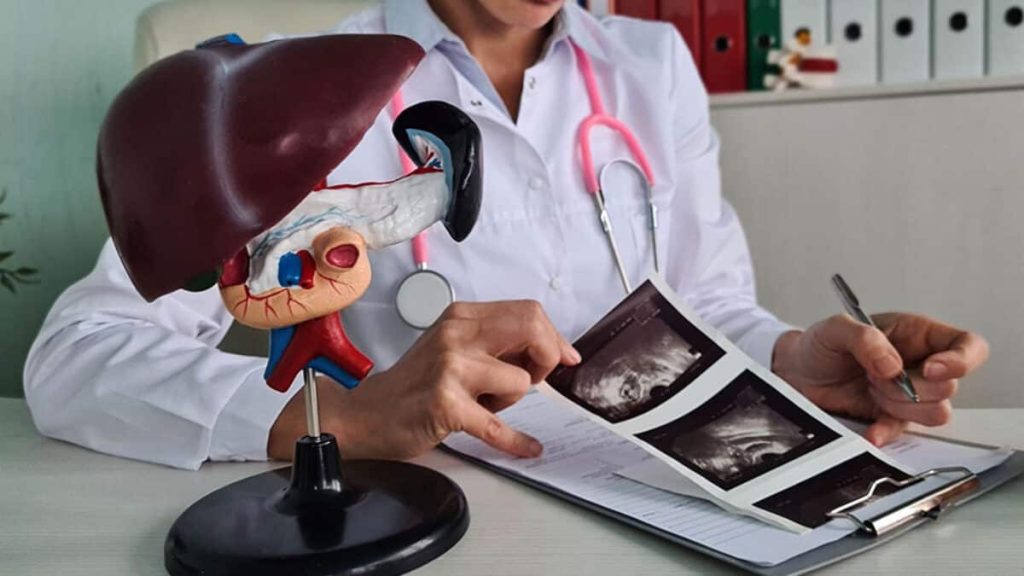
Alcohol progressively damages organs, disrupting hepatic, cardiac, pancreatic and gastrointestinal systems, undermining long-term physiological stability. You might feel only a pleasant buzz, while deeper changes quietly accumulate. Those changes affect how blood flows, how cells repair themselves, how hormones behave. Over months and years, heavy or frequent drinking can reshape multiple organ systems. Newer research…
Read more

Internists’ recommendations for healthy aging

Many internists emphasize that healthy aging begins long before the later decades, with daily habits that quietly protect vital organs, strengthen emotional resilience and support long term independence through practical and sustainable routines. Shifting the mindset about getting older When internists discuss aging with patients, they often notice a mixture of worry, curiosity and quiet…
Read more

The importance of tracking your medical history

Comprehensive health history records empower clinicians to deliver safer, evidence-informed decisions, preventing potentially-devastating irreversible errors. When you sit in an exam room trying to remember past tests, old medications or vague diagnoses from years ago, it quickly becomes clear how easy it is to miss important pieces that still shape today’s decisions. In busy health…
Read more

Joint pain in adults: Causes beyond arthritis

Many adults think joint pain always means arthritis, yet muscles, tendons, nerves, infections, hormones and even medicines can quietly actually be the real cause instead. Joint pain is more than one label Think about the last time your knee, shoulder or fingers started aching. Maybe you said it must be arthritis, even if nobody used…
Read more

The link between hormones and your energy levels

Have you ever wondered why some mornings feel incredibly light while others start with a weight on your shoulders? Many people blame sleep or stress, but the story often runs deeper than that. Hormonal patterns quietly determine how stable, active and focused you feel during the day. When these signals stray from their natural rhythm,…
Read more

Common key causes of elevated liver enzyme levels

You know that slightly tense moment when blood test results arrive and one tiny line is highlighted in red. Many people first meet the terms ALT, AST or GGT this way, through a quiet note about elevated liver enzymes in a routine check. It sounds alarming, yet doctors see these changes every day, and most…
Read more

When frequent infections need further investigation

Do repeating colds, sinus flares, urinary infections, or stubborn skin eruptions keep returning despite treatment, leaving you tired, worried, and unsure whether there’s a deeper reason worth checking now? This question gelled after many clinic visits. Patterns start to reveal themselves quietly. Small details add up and guide next steps. According to our editor’s research,…
Read more

When Your Blood Pressure Medication Needs Adjustment

Subtle dizziness, ankle swelling, nagging cough, or stubborn readings despite careful habits may mean your blood pressure medication needs adjustment; here’s how to spot concerns and act safely. Why might a stable plan suddenly misfire? Bodies keep changing as routines and seasons shift. Weight, salt intake, and sleep patterns nudge pressure. New stressors tighten vessels…
Read more

Internists’ guide to bone health and osteoporosis

Stronger bones mean longer, steadier lives; internists cut fracture risk through timely screening, everyday coaching, and precise therapies that keep patients active. Why does bone health deserve front-page attention today? A sudden fall can redraw a patient’s life. Fragility fractures limit independence and confidence. Recovery drains time, money, and morale. The good news is clear.…
Read more

How internists manage chronic kidney disease

When you consider the silent but steady progression of Chronic Kidney Disease (CKD), it becomes abundantly clear that Internal Medicine specialists are essential, acting as the primary navigators who ensure patients receive timely diagnosis, aggressive risk factor modification, and comprehensive management throughout the disease’s course. The internist, often the patient’s main healthcare provider, stands on…
Read more