
Anemia and Vitamin Deficiency Treatment in Dubai with Blood Test Review
BLOOD HEALTH SUPPORT
Dr. Kubra Kalayci offers anemia and vitamin deficiency treatment in Dubai for adults who need blood test interpretation, diagnosis support, treatment planning and follow-up care. This page helps patients understand common causes of fatigue, weakness, low iron, low vitamin B12, vitamin D deficiency and abnormal blood results. Internal medicine care focuses on identifying the underlying reason, explaining results clearly and guiding appropriate treatment with ongoing monitoring when needed.
ABOUT DR. KUBRA
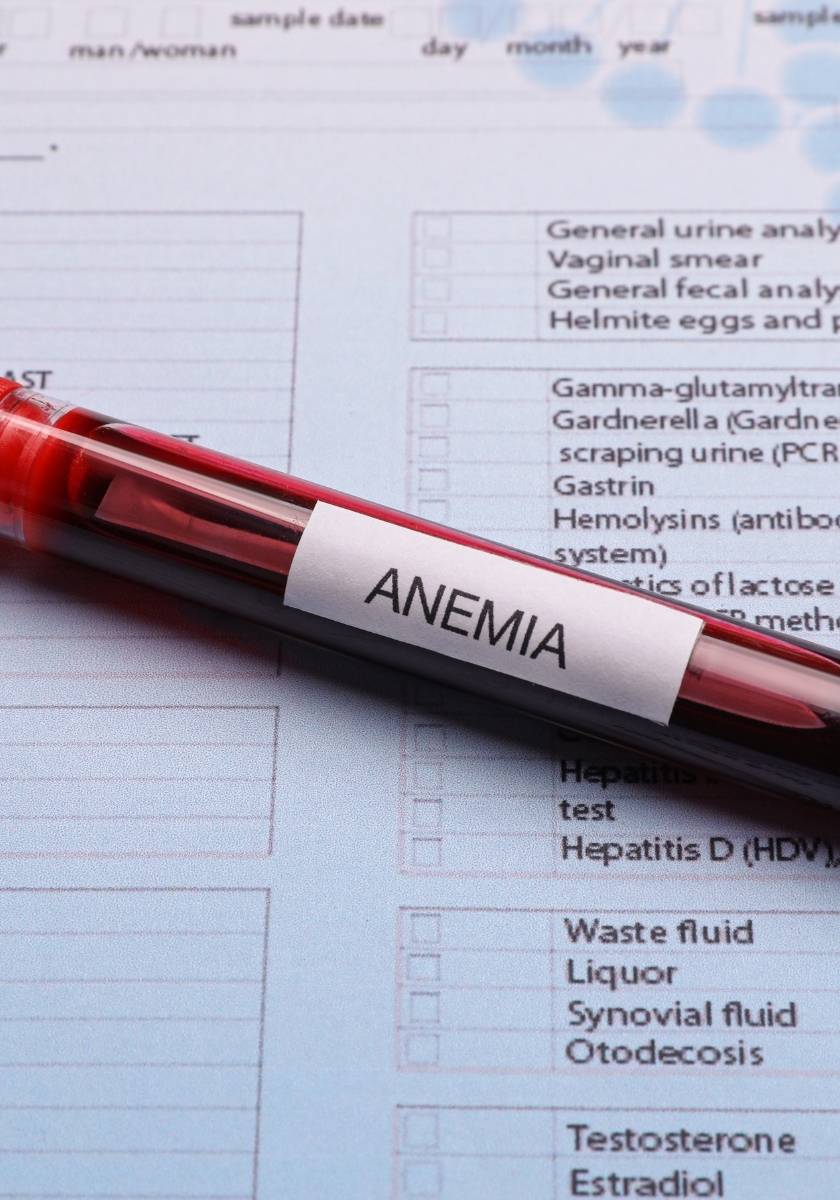
How Iron, Vitamin B12 and Folate Results Guide the Treatment Plan
Anemia and vitamin deficiencies can affect energy, concentration, and daily function. Symptoms may develop slowly and may be mistaken for stress. Blood test review helps identify the type and severity. Treatment should focus on the cause, not only the low number. A structured medical assessment helps guide safe correction and follow-up.
WHO MAY NEED THIS SERVICE?
Adults may need review after low hemoglobin, iron, B12, folate, or vitamin D. Patients with fatigue, dizziness, weakness, or breathlessness may also benefit. Women with heavy periods may need anemia assessment. Digestive symptoms can also be relevant to deficiency. Some patients develop deficiencies after dietary changes or medication use. Others have recurrent low levels despite supplements. Medical review helps identify why the deficiency exists. This is important for preventing recurrence.
COMMON SYMPTOMS
Anemia may cause tiredness, dizziness, paleness, and shortness of breath. Some patients notice headaches, fast heartbeat, or reduced exercise tolerance. Iron deficiency may cause brittle nails or restless legs. Vitamin B12 deficiency may cause numbness, tingling, or memory concerns. Vitamin D deficiency may cause muscle pain or bone discomfort. Symptoms can overlap with thyroid disease or diabetes. Severe weakness, chest pain, or fainting needs urgent care. Persistent symptoms should be medically assessed.
TESTING AND DIAGNOSIS
Testing may include blood count, ferritin, iron studies, B12, and folate. Vitamin D and thyroid markers may also be reviewed. Kidney and liver tests may be needed in selected patients. The pattern of results helps identify the likely cause. One low value may not explain all symptoms. Results should be interpreted with history and examination. Repeat testing may be required after treatment. This confirms whether levels are improving appropriately.
CAUSES TO CONSIDER
Deficiencies may relate to diet, absorption, bleeding, or medication. Heavy menstrual bleeding can contribute to iron deficiency. Digestive problems may affect absorption of iron or vitamins. Some stomach medicines can influence B12 absorption over time. Restricted diets may increase deficiency risk. Chronic illness may also affect blood counts. The cause should be reviewed carefully. Treating without understanding the cause may lead to recurrence.
TREATMENT OPTIONS
Treatment may include oral supplements, injections, diet guidance, or further evaluation. Iron deficiency may require iron replacement and monitoring. B12 deficiency may need tablets or injections depending on the cause. Vitamin D treatment depends on the level and individual risk factors. Patients should avoid excessive unsupervised supplementation. Too much supplementation can create side effects or confusing test results. Treatment should be matched to the diagnosis. Follow-up confirms whether correction is effective.
FOLLOW-UP AND MONITORING
Follow-up and monitoring are important after starting treatment. Symptoms may improve before blood results fully normalize. Some patients need repeat blood count and deficiency markers. Others need longer monitoring because the deficiency returns. Persistent anemia requires further investigation. Treatment response helps confirm whether the plan is correct. Patients should report side effects from supplements. Clear timing helps avoid both under-treatment and over-treatment.
RELATED HEALTH CONCERNS
Anemia and deficiency can coexist with other conditions. Thyroid disease, diabetes, kidney disease, and digestive disorders may also be relevant. Fatigue may have several causes at the same time. A wider review can prevent missed contributors. Medication and supplement history should be discussed. Diet and lifestyle patterns may also matter. Symptoms should not be dismissed as simple tiredness. Proper evaluation supports safer treatment.
CARE COORDINATION IN DUBAI
Dr. Kubra Kalayci sees patients at Trellis Hospital in Dubai. This supports anemia and deficiency review in a hospital-based setting. Patients should bring previous blood tests and supplement details. They should also mention digestive symptoms and menstrual history when relevant. This helps identify possible causes more accurately. The consultation can support diagnosis, treatment, and monitoring. It may also guide referral when further evaluation is needed. The aim is correction with clear medical reasoning.
APPOINTMENT AND HEALTH REFERENCE
Patients can request anemia or deficiency review through the contact page. The page can be used for blood test review or symptom evaluation. General information about iron deficiency anemia can be reviewed through official health guidance. This external reference supports general education only. It does not replace personal diagnosis or treatment planning. Patients should seek medical advice before starting high-dose supplements.
___________________________________
Medically reviewed by Dr. Kubra Kalayci
Specialist Internal Medicine
DHA License: 77235626-001
Last reviewed: July 27, 2026