
High Cholesterol Treatment in Dubai for Metabolic Risk Management
METABOLIC RISK CARE
Dr. Kubra Kalayci provides high cholesterol treatment and metabolic health care in Dubai for adults who need support with elevated lipid levels, diabetes risk, weight concerns, and cardiovascular risk factors. Internal medicine care may include blood test review, metabolic risk assessment, lifestyle guidance, medication evaluation, and regular treatment monitoring. The focus is on lowering cholesterol, managing related metabolic conditions, reducing long-term health risks, and providing structured follow-up tailored to each patient’s needs.
ABOUT DR. KUBRA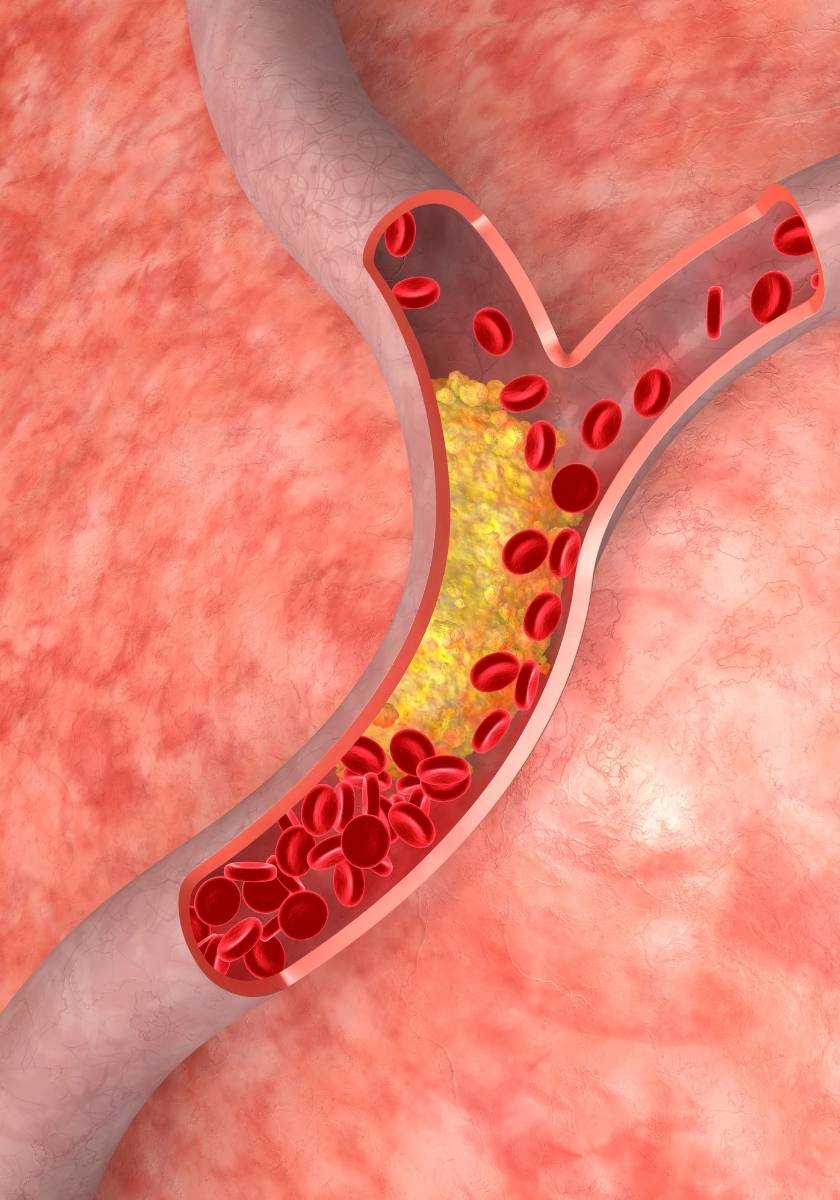

Lipid Profile Monitoring in Dubai for Long-Term Cardiovascular Prevention
High cholesterol treatment and metabolic health management are important for reducing long-term cardiovascular risk. Elevated cholesterol and metabolic conditions may develop silently without noticeable symptoms. Blood sugar, body weight, blood pressure, liver markers, and lipid levels can be closely connected. A structured internal medicine assessment helps patients understand their overall risk and supports clear treatment, monitoring, and follow-up planning.
WHO MAY NEED METABOLIC REVIEW?
Adults may need review after abnormal cholesterol or triglyceride results. Patients with diabetes risk, weight gain, or hypertension may also benefit. Family history of heart disease can increase concern. Inactivity, smoking, high-calorie diets, and poor sleep may contribute. Some patients need review after routine screening. Others need help because several risk factors appear together. A metabolic review considers the full pattern. It avoids treating each number as a separate issue.
COMMON CONCERNS
High cholesterol usually has no obvious symptoms. Patients often discover it during blood testing. Some may also have high blood sugar or fatty liver markers. Weight gain and increased waist size may suggest metabolic risk. High blood pressure may occur with cholesterol and glucose problems. Fatigue may be present but is not specific. Many patients need explanation after confusing results. Clear interpretation helps define priorities.
ASSESSMENT AND TESTING
Testing may include a lipid profile and glucose markers. HbA1c, liver function, kidney function, and thyroid tests may also be reviewed. Blood pressure, weight, and waist measurement may add useful context. The exact tests depend on symptoms and risk factors. Some patients need repeat testing before treatment decisions. Others need medication when risk is clearly elevated. Test results should be reviewed with age and family history. This supports safer cardiovascular risk planning.
CHOLESTEROL AND HEART RISK
Cholesterol is one part of cardiovascular risk. Blood pressure, diabetes, smoking, and family history also matter. LDL, HDL, triglycerides, and total cholesterol have different meanings. A high result may require lifestyle changes or medication. Treatment depends on the full risk profile. Some patients need closer monitoring because risks combine. Heart and stroke prevention should be considered early. Waiting for symptoms may delay useful prevention.
METABOLIC HEALTH AND WEIGHT
Metabolic health is influenced by weight, activity, sleep, and diet. Central weight gain can increase diabetes and blood pressure risk. Poor sleep and chronic stress may worsen metabolic patterns. Physical inactivity can affect insulin sensitivity and cholesterol. Nutrition advice should be practical and sustainable. Extreme diets may not support long-term control. Patients often need realistic targets. A plan should fit daily routines and medical needs.
TREATMENT OPTIONS
Treatment may include lifestyle guidance, monitoring, or medication. Medication may be considered when risk remains high. Some patients need cholesterol-lowering therapy after clinical review. Others may first need lifestyle changes and repeat testing. Treatment should consider liver function and medication interactions. Patients should understand why a medicine is recommended. Follow-up helps confirm effectiveness and safety. The plan may change as results improve or worsen.
FOLLOW-UP AND PREVENTION
Follow-up helps track cholesterol, glucose, weight, and blood pressure. It also checks whether lifestyle changes are realistic. Patients should know their target values and review timing. Repeat tests may be needed after medication changes. Long-term prevention works best with consistent monitoring. New symptoms should be discussed promptly. Family history may require earlier screening. Preventive healthcare should remain active, even after values improve.
CARE COORDINATION IN DUBAI
Dr. Kubra Kalayci sees patients at Trellis Hospital in Dubai. This supports cholesterol and metabolic review in a hospital-based setting. Patients should bring lipid profiles and previous metabolic results. Medication lists and supplement details should also be shared. This helps review safety and treatment response. The consultation can support prevention, monitoring, or treatment planning. It may also identify related conditions needing attention. The aim is clearer long-term risk management.
APPOINTMENT AND HEALTH REFERENCE
Patients can request cholesterol and metabolic review through the contact page. The page can be used for test review or follow-up inquiries. General cholesterol information can be reviewed through official health guidance. This external reference supports patient education only. It does not replace individualized medical assessment or treatment advice. Patients should seek direct care for personal risk review.___________________________________
Medically reviewed by Dr. Kubra Kalayci
Specialist Internal Medicine
DHA License: 77235626-001
Last reviewed: July 27, 2026