
Diabetes Treatment and Management in Dubai with Internal Medicine Follow-Up
BLOOD SUGAR CONTROL
Dr. Kubra Kalayci offers diabetes treatment and management in Dubai for adults who need support with blood sugar control, medication review, lifestyle planning, and regular internal medicine follow-up. The service covers type 2 diabetes, prediabetes, abnormal glucose results, insulin resistance, and related metabolic risks. Care focuses on practical guidance, laboratory monitoring, treatment adjustment, risk reduction, and long-term planning tailored to each patient’s health condition and individual needs.
ABOUT DR. KUBRA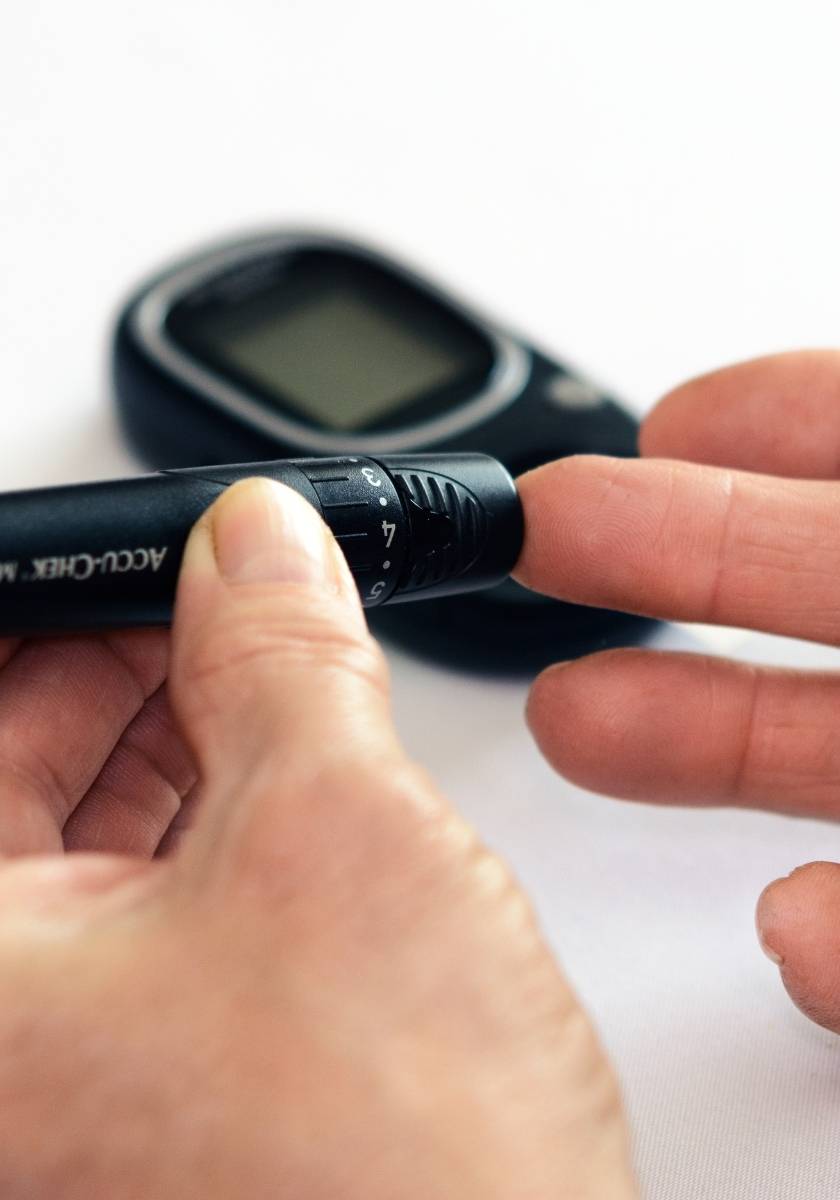

Diabetes Monitoring in Dubai for HbA1c Review and Complication Prevention
Diabetes management focuses on blood sugar control and long-term complication prevention. It also includes medication review, lifestyle planning, and regular monitoring. Many adults have diabetes without clear symptoms at first. Others are diagnosed after fatigue, thirst, or abnormal screening results. A structured medical plan helps patients manage diabetes more safely.
WHO MAY NEED DIABETES CARE?
This service is suitable for adults with diabetes or prediabetes. It is also useful after abnormal glucose or HbA1c results. Patients with family history may need earlier assessment. Excess weight, inactivity, high blood pressure, and cholesterol problems increase risk. Some patients need review after changing medicines or lifestyle plans. Others need help because readings remain above target. Diabetes care should consider the whole patient. It should not focus only on one blood test.
COMMON SYMPTOMS
Diabetes may cause thirst, frequent urination, tiredness, and blurred vision. Some patients notice weight change or recurrent infections. Slow wound healing and skin infections may also occur. Tingling, numbness, and burning sensations can appear in some patients. Early diabetes may cause no noticeable symptoms. This makes screening and follow-up important for at-risk adults. Symptoms should be reviewed with readings and laboratory results. Clinical context helps decide the next step.
ASSESSMENT AND TESTING
Assessment may include fasting glucose, HbA1c, and random glucose review. Kidney function, cholesterol, blood pressure, and weight may also be checked. Urine testing may help assess kidney risk. The review may include medication history and family risk. Lifestyle factors are also discussed during diabetes care. Diet, physical activity, sleep, and stress can affect sugar control. The goal is to understand the pattern behind the numbers. Clear interpretation of blood test results helps guide safer treatment choices.
TREATMENT OPTIONS
Treatment may include nutrition guidance, physical activity, and medication. Some patients need tablets, injections, or insulin therapy. Medication choice depends on age, weight, results, and other conditions. Patients should not adjust diabetes medicine without medical advice. Sudden changes can cause unsafe high or low blood sugar. A clear plan helps patients understand dosing and timing. Side effects should be reviewed during follow-up. Treatment should remain practical for daily life.
LIFESTYLE AND DAILY CONTROL
Lifestyle support is central to diabetes management. Balanced meals, portion control, and regular activity may improve control. Weight management can help many patients reduce metabolic risk. Sleep quality and stress levels may also affect glucose readings. Advice should be realistic and sustainable. Very strict plans may fail when daily life becomes busy. Patients benefit from targets they can actually follow. Long-term consistency is usually more useful than short effort.
COMPLICATION PREVENTION
Diabetes can affect the heart, kidneys, nerves, eyes, and feet. Good control can reduce the risk of complications. Blood pressure and cholesterol management are also important. Patients may need periodic kidney and cardiovascular risk review. Numbness, foot wounds, vision changes, or swelling should be assessed. Recurrent infections may also suggest poor control. Preventive follow-up helps detect early changes. It also helps patients understand warning signs.
MONITORING AND FOLLOW-UP
Follow-up confirms whether treatment targets are being reached. HbA1c changes over time and needs periodic review. Home glucose readings may help when properly recorded. Medication may need adjustment after new results. Some patients need closer follow-up after treatment changes. Others may need routine review when stable. Follow-up should also address lifestyle challenges. Long-term medical follow-up works better when patients understand the reason behind it.
CARE COORDINATION IN DUBAI
Dr. Kubra Kalayci sees patients at Trellis Hospital in Dubai. This supports diabetes follow-up in a hospital-based medical setting. Patients should bring glucose logs and recent test results when available. They should also bring a current medication list. This helps review safety, control, and treatment response. The consultation can support diagnosis, monitoring, or medication review. It may also guide referral when additional care is needed. The main aim is safer long-term diabetes control.
APPOINTMENT AND HEALTH REFERENCE
Patients needing diabetes management can request an appointment through the contact page. The page can be used for diagnosis, monitoring, or treatment review. General diabetes information can be reviewed through official health guidance. This external reference is for general education only. It does not replace direct medical assessment or personal treatment planning. Patients should seek medical advice before changing diabetes medicines.
___________________________________
Medically reviewed by Dr. Kubra Kalayci
Specialist Internal Medicine
DHA License: 77235626-001
Last reviewed: July 27, 2026