
Hypertension Management in Dubai for Blood Pressure Control
HEART RISK MONITORING
Dr. Kubra Kalayci provides hypertension management in Dubai for adults who need blood pressure assessment, treatment review, risk evaluation and long-term monitoring. This page explains how internal medicine care can help patients understand high blood pressure, related symptoms, medication needs and cardiovascular risk factors. With regular follow-up, blood test review and preventive guidance, patients can receive structured support for safer blood pressure control and better overall adult health management.
ABOUT DR. KUBRA
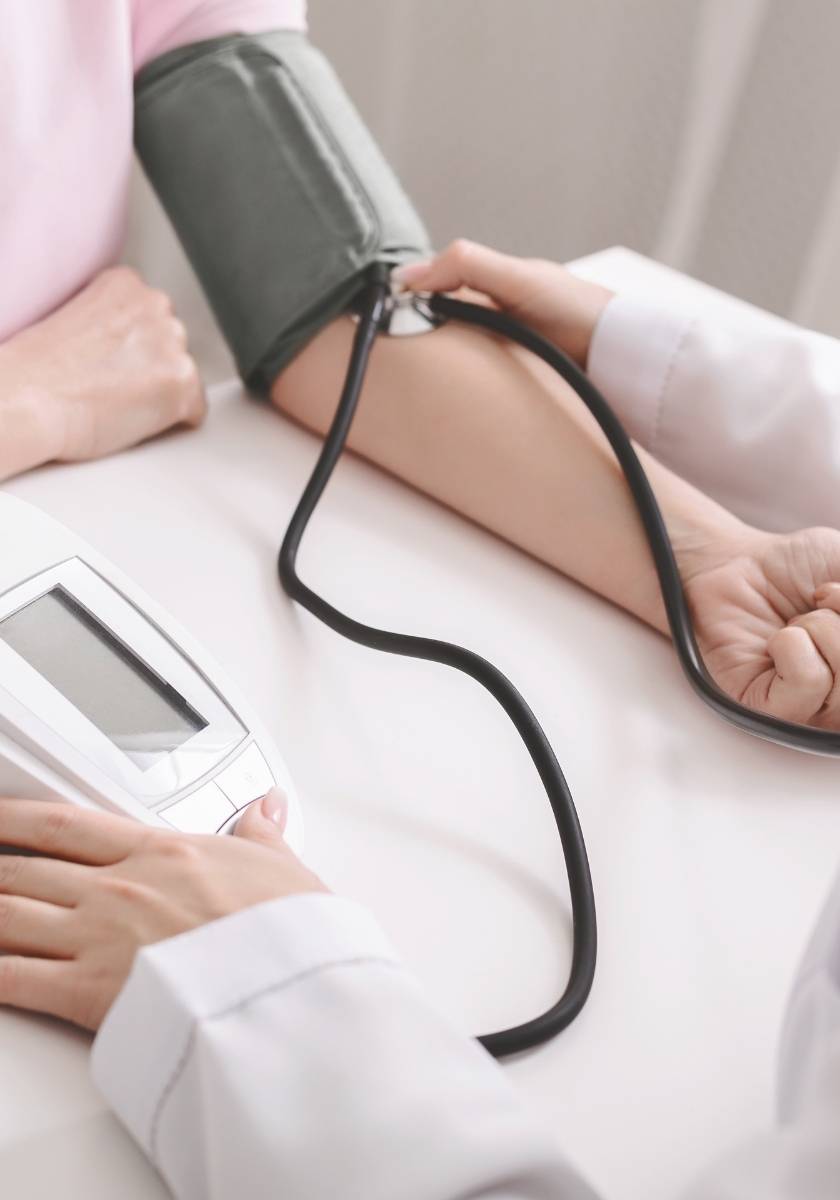
Blood Pressure Monitoring and Cardiovascular Risk Assessment in Dubai
Hypertension management focuses on safe blood pressure control and risk reduction. High blood pressure often develops without clear symptoms. Patients may feel normal while readings remain consistently elevated. Long-term elevation can affect the heart, kidneys, brain, and eyes. Regular assessment helps detect patterns and prevent avoidable complications.
WHO MAY NEED BLOOD PRESSURE REVIEW?
Adults with repeated high readings should seek medical assessment. This includes readings at home, pharmacies, clinics, or workplace checks. Patients with diabetes, kidney disease, cholesterol problems, or obesity need closer review. Family history may increase the risk of hypertension. Smoking, inactivity, stress, salt intake, and poor sleep may contribute. Some medications and supplements can also affect blood pressure. A clinical review helps identify possible contributing factors. It also helps decide whether medication is needed.
SYMPTOMS AND WARNING SIGNS
Many patients with hypertension have no symptoms. Some may experience headaches, dizziness, palpitations, or breathlessness. Blurred vision, chest discomfort, or swelling may also occur. Severe chest pain, confusion, weakness, or fainting requires urgent care. Severe breathlessness or sudden neurological symptoms should not wait. Symptoms should be reviewed with actual blood pressure readings. One symptom alone rarely explains the full risk. Medical context helps decide how quickly care is needed.
MEASUREMENT AND ASSESSMENT
Blood pressure changes during the day. Stress, pain, caffeine, activity, and sleep can affect readings. A single high value may not confirm hypertension. Repeated measurements provide a clearer picture. Proper cuff size and resting time are important. Home monitoring may be helpful when performed correctly. The consultation may include weight, pulse, and examination. The review also considers kidney, heart, and metabolic risks.
TESTS AND RISK REVIEW
Blood tests may include kidney function, glucose, and cholesterol markers. Urine testing may help detect kidney involvement. An ECG may be considered in selected patients. Additional testing depends on symptoms and risk level. Results help estimate overall cardiovascular risk. Blood pressure should not be treated as an isolated number. Diabetes, cholesterol, smoking, and family history can change the plan. Risk-based care supports safer long-term decisions.
TREATMENT OPTIONS
Treatment may include lifestyle measures, medication, or both. Salt reduction, weight management, and physical activity may help. Better sleep and stress control can also support blood pressure control. Medication choice depends on age, risk, and other conditions. Some patients need more than one medicine. Side effects and kidney function may need monitoring. Patients should not stop medication suddenly without medical advice. Follow-up helps confirm whether treatment remains safe.
LIFESTYLE AND PREVENTION
Lifestyle changes should be practical and sustainable. Diet quality, portion control, and reduced salt intake may help. Regular activity can improve blood pressure and metabolic health. Smoking cessation can reduce cardiovascular risk and should be addressed. Alcohol intake, sleep problems, and stress may also matter. Patients should avoid extreme unsupervised plans. Small consistent changes can improve long-term control. Prevention should be individualized according to health profile.
LONG-TERM FOLLOW-UP
Long-term follow-up confirms whether targets are reached safely. It also identifies side effects or new risk factors. Patients using medication may need kidney and electrolyte monitoring. Home readings can help guide treatment when reliable. Readings should be recorded with date and time. Review is especially important after blood pressure medication changes. Patients should understand warning signs clearly. Stable control still requires periodic reassessment.
CARE COORDINATION IN DUBAI
Dr. Kubra Kalayci sees patients at Trellis Hospital in Dubai. This supports blood pressure assessment within a hospital-based medical setting. Patients should bring home readings when available. They should also bring medication lists and previous results. This helps identify trends and treatment response. The consultation may support diagnosis, monitoring, and treatment review. It may also guide further testing when needed. The focus is safer blood pressure control.
APPOINTMENT AND HEALTH REFERENCE
Patients needing hypertension review can request an appointment through the contact page. The page can be used for new readings or ongoing monitoring. General information about high blood pressure can be reviewed through official health guidance. This external reference supports patient education only. It does not replace direct clinical assessment or treatment decisions. Patients with severe symptoms should seek urgent medical care.
___________________________________
Medically reviewed by Dr. Kubra Kalayci
Specialist Internal Medicine
DHA License: 77235626-001
Last reviewed: July 27, 2026