
Gastrointestinal Symptoms Evaluation in Dubai for Adult Digestive Concerns
DIGESTIVE HEALTH REVIEW
Dr. Kubra Kalayci offers gastrointestinal symptoms evaluation in Dubai for adults experiencing abdominal pain, reflux, bloating, bowel changes, nausea or recurring digestive discomfort. This page explains how internal medicine care can help assess symptoms, review warning signs, interpret relevant tests and guide the next steps when further evaluation is needed. The focus is on careful medical assessment, practical explanations and appropriate follow-up for digestive health concerns.
ABOUT DR. KUBRA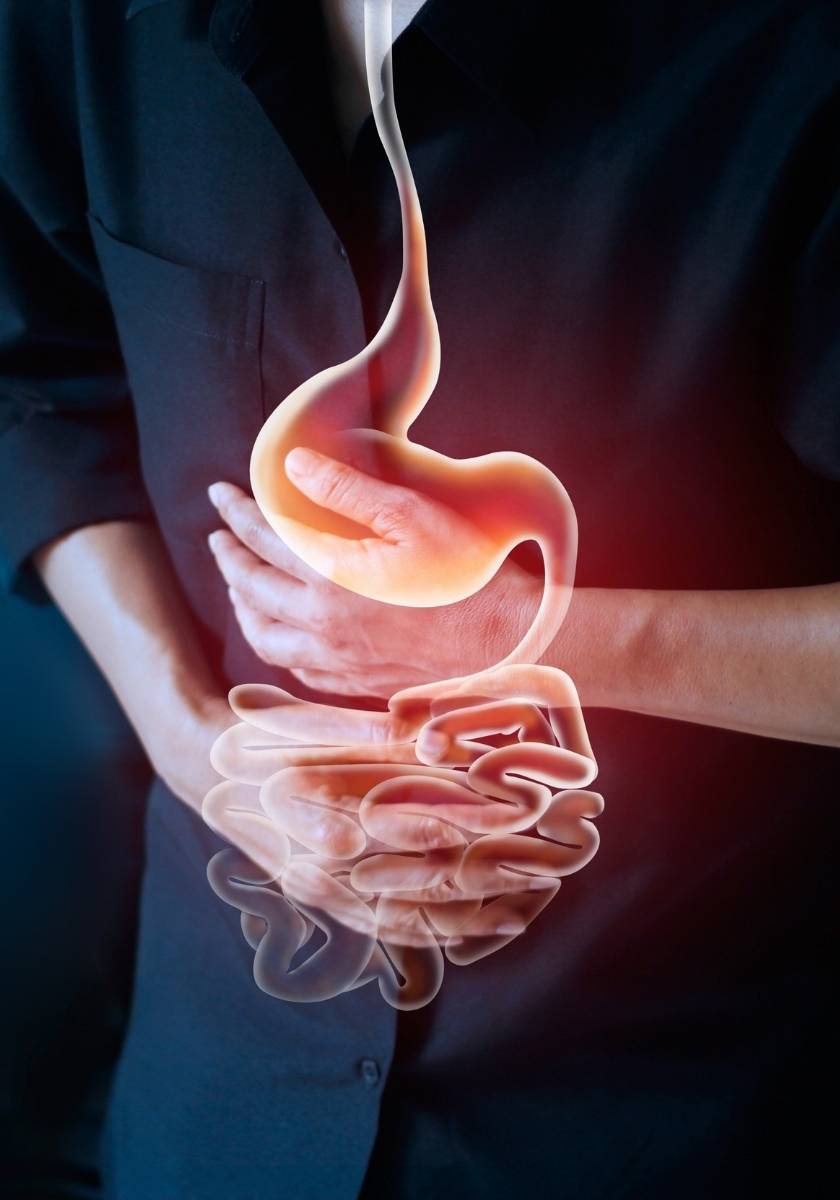
Assessment of Persistent Digestive Complaints and Warning Signs in Adults
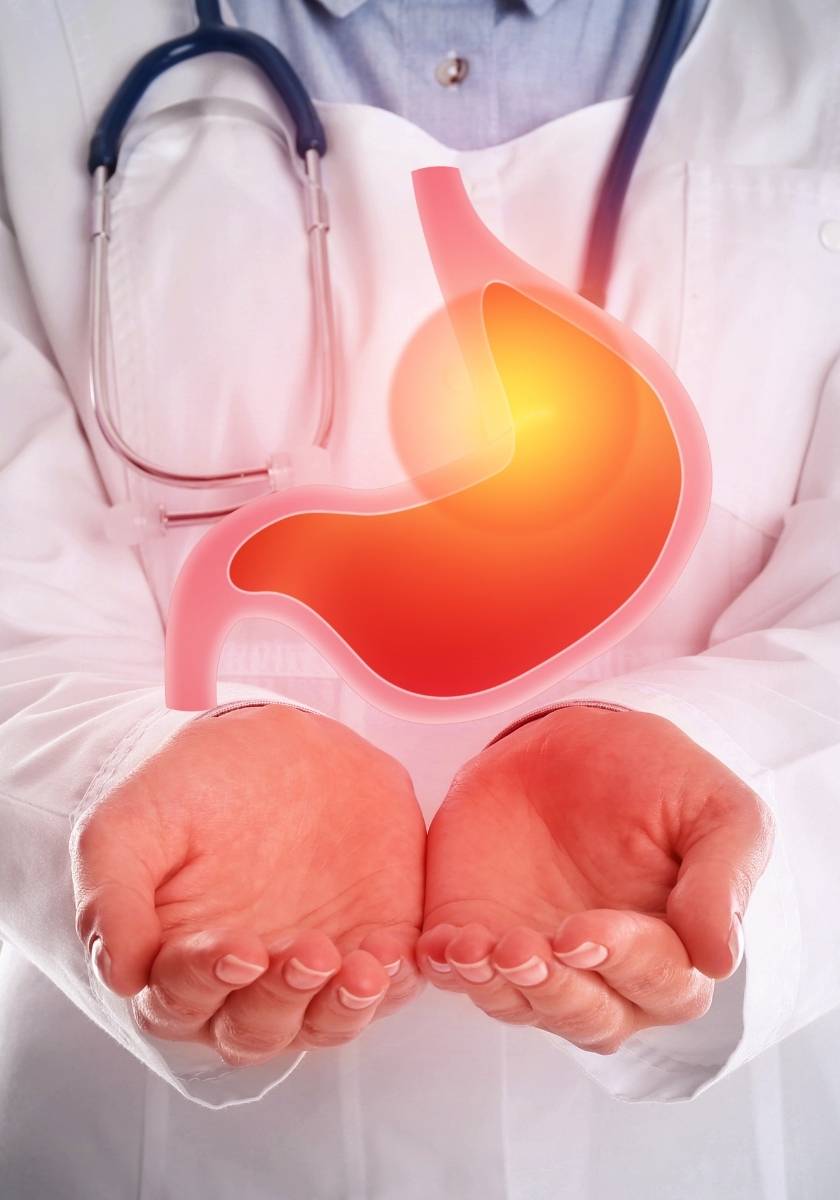
Gastrointestinal symptoms are common in adult medical practice. They may involve the stomach, bowel, liver, gallbladder, or pancreas. Some symptoms are temporary, while others need structured review. Digestive complaints can also reflect stress, diet, infection, or medication effects. A careful assessment helps decide which symptoms need testing.
WHO MAY NEED DIGESTIVE REVIEW?
Adults may need review for abdominal pain, reflux, bloating, or nausea. Bowel changes, constipation, diarrhea, and appetite changes may also require assessment. Symptoms that persist or return should not be ignored. Patients with unexplained weight loss need prompt medical review. Blood in stool or black stool requires urgent attention. Difficulty swallowing also needs timely assessment. Digestive symptoms should be reviewed with full medical history. This helps identify likely causes and warning signs.
COMMON SYMPTOMS
Reflux may cause burning, regurgitation, or chest discomfort. Indigestion may cause fullness, nausea, bloating, or upper abdominal pain. Bowel changes may include diarrhea, constipation, or alternating patterns. Some patients have cramps, gas, or food-related symptoms. Fever with abdominal pain may suggest infection or inflammation. Severe pain, vomiting blood, or fainting needs urgent care. Symptoms should be assessed with timing and triggers. A food diary may help in selected cases.
POSSIBLE CAUSES
Digestive symptoms may relate to reflux, gastritis, infection, or intolerance. Medication use can irritate the stomach or change bowel habits. Stress and irregular meals may worsen symptoms. Gallbladder, liver, or pancreatic problems may also cause discomfort. Some symptoms may come from irritable bowel syndrome. Others may require further investigation to exclude serious causes. The cause is not always clear during the first visit. Follow-up may be needed after initial treatment.
ASSESSMENT AND TESTING
Assessment begins with symptom pattern and medical history. The location, timing, severity, and relation to meals are reviewed. Examination may help decide whether testing is needed. Blood tests may review inflammation, anemia, liver function, or infection markers. Stool tests or imaging may be considered in selected cases. Referral may be needed when warning signs are present. Testing should match clinical need. Unnecessary tests may not improve care.
TREATMENT OPTIONS
Treatment depends on the likely cause and symptom severity. It may include diet advice, medication, hydration, or monitoring. Reflux symptoms may need acid-reducing treatment when appropriate. Infection-related symptoms may require different care. Patients should avoid repeated unsupervised medication use. Persistent symptoms need proper assessment. Treatment response should be reviewed when symptoms continue. Follow-up helps decide whether further evaluation is needed.
WARNING SIGNS
Warning signs require timely medical review. These include unexplained weight loss, bleeding, swallowing difficulty, or persistent vomiting. Severe abdominal pain should not be managed casually. Fever, dehydration, or worsening weakness may also be concerning. New digestive symptoms in older adults need careful assessment. Symptoms after medication changes should be discussed. Chronic symptoms affecting daily life deserve review. Ignoring persistent symptoms may delay diagnosis.
LIFESTYLE AND DAILY MANAGEMENT
Diet, meal timing, hydration, and stress may influence digestive symptoms. Large late meals can worsen reflux in some patients. Low fiber intake may contribute to constipation. Some foods may trigger bloating or discomfort. Advice should be individualized rather than overly restrictive. Patients should avoid unnecessary elimination diets without guidance. Simple changes may help when no warning signs exist. Medical review remains important when symptoms persist.
CARE COORDINATION IN DUBAI
Dr. Kubra Kalayci sees patients at Trellis Hospital in Dubai. This supports digestive symptom evaluation in a hospital-based setting. Patients should bring previous test results and medication lists. They should also describe symptom timing and food triggers. This helps create a clearer diagnostic direction. The consultation can support assessment, treatment, and follow-up planning. It may also guide referral when specialist evaluation is needed. The aim is careful and practical digestive care.
APPOINTMENT AND HEALTH REFERENCE
Patients can request gastrointestinal symptoms evaluation through the contact page. The page can be used for reflux, bloating, pain, or bowel concerns. General indigestion information can be reviewed through official health guidance. This external reference supports general patient education only. It does not replace medical assessment or diagnosis. Patients with warning signs should seek direct care promptly.
___________________________________
Medically reviewed by Dr. Kubra Kalayci
Specialist Internal Medicine
DHA License: 77235626-001
Last reviewed: July 27, 2026