
Respiratory Infection and Cough Evaluation in Dubai for Adult Symptoms
COUGH AND CHEST REVIEW
Dr. Kubra Kalayci provides respiratory infection and cough evaluation in Dubai for adults with persistent cough, fever, chest symptoms, sore throat, breathing discomfort or infection-related concerns. This page explains how internal medicine assessment can help review symptoms, identify risk factors, evaluate test needs and guide treatment decisions. Patients receive clear medical advice, follow-up direction and support for respiratory symptoms that require professional assessment.
ABOUT DR. KUBRA
When Persistent Cough or Breathing Symptoms Require Medical Review
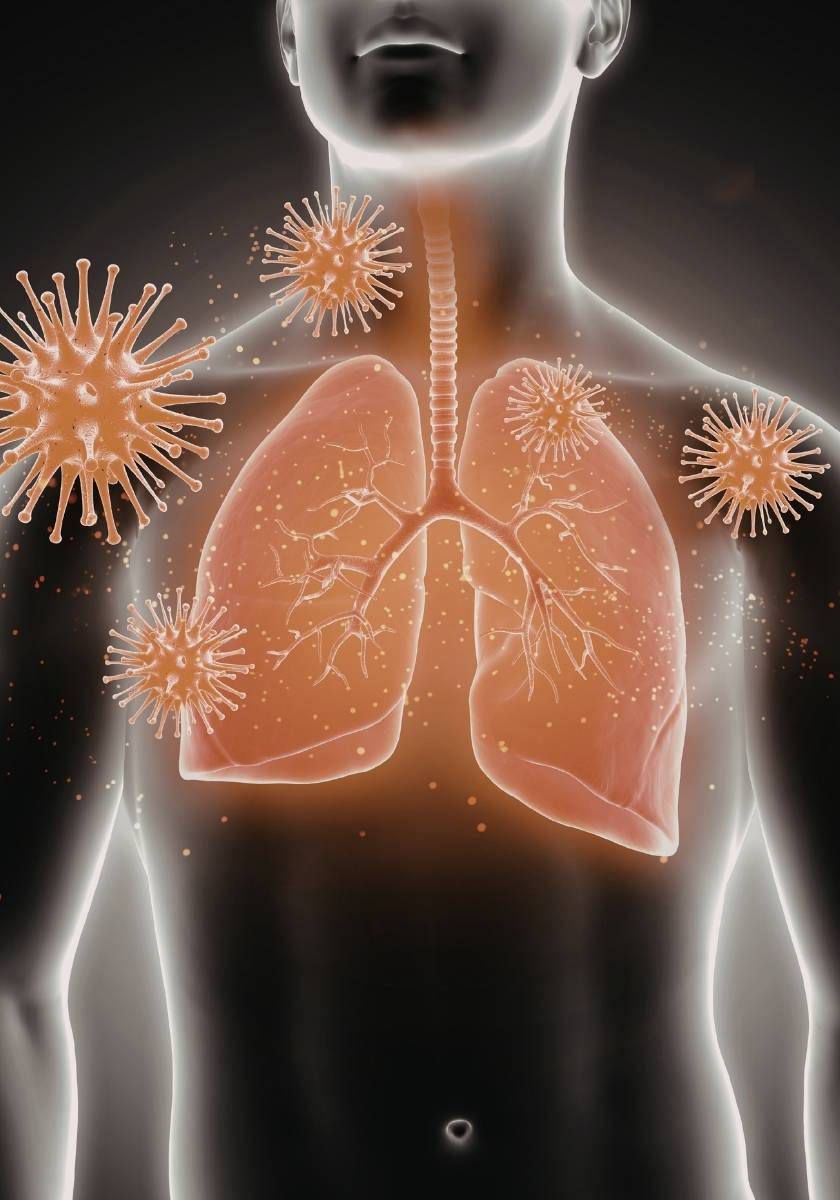
Respiratory infection and cough evaluation helps adults understand airway symptoms safely. Cough may come from infection, allergy, reflux, or asthma. Some coughs improve naturally, while others need medical review. Fever, chest symptoms, and breathlessness can change the urgency. A structured assessment helps decide the likely cause and next step.
WHO MAY NEED REVIEW?
Adults may need review when cough persists or worsens. Fever, sore throat, chest discomfort, or wheezing may require assessment. Patients with diabetes, heart disease, asthma, or immune problems need closer attention. Recurrent infections may also need medical review. Cough lasting several weeks should not be dismissed. Symptoms after travel or exposure should be mentioned. Medication history can also be relevant. Some medicines may contribute to cough.
COMMON RESPIRATORY SYMPTOMS
Symptoms may include cough, fever, sore throat, congestion, and body aches. Chest tightness, wheezing, and shortness of breath may also occur. Sputum color alone does not always confirm bacterial infection. Fatigue and reduced appetite may appear during infections. Severe breathlessness needs urgent medical care. Chest pain, confusion, or blue lips are warning signs. Persistent high fever should be reviewed promptly. Symptom duration helps guide assessment.
POSSIBLE CAUSES
Respiratory symptoms may be caused by viral or bacterial infections. Allergies, asthma, reflux, and airway irritation can also cause cough. Smoking and pollution exposure may worsen symptoms. Post-infection cough can continue after other symptoms improve. Recurrent cough may need broader evaluation. Some patients need assessment for pneumonia risk. The likely cause depends on history and examination. Treatment should match the suspected cause.
ASSESSMENT AND TESTING
The review may include symptom duration and severity. Temperature, pulse, oxygen level, and chest examination may be checked. Testing may be considered when symptoms are severe or persistent. Blood tests, swabs, or imaging may be needed in selected cases. Not every cough needs antibiotics. Clinical findings guide whether additional tests are useful. Patients should describe exposures and previous respiratory illness. This helps improve diagnostic accuracy.
TREATMENT OPTIONS
Treatment depends on the cause and severity. It may include rest, fluids, fever control, or symptom relief. Inhalers may be considered when wheezing is present. Antibiotics may be used when bacterial infection is likely. Unnecessary antibiotics may not help viral infections. Patients with chronic disease may need closer follow-up. Treatment should also address warning signs. Clear advice helps patients know when to return.
WHEN TO SEEK URGENT CARE
Severe breathlessness requires urgent assessment. Chest pain, confusion, fainting, or blue lips should not wait. Coughing blood also requires prompt medical care. Persistent high fever may need review. Worsening symptoms after initial improvement can be concerning. Older adults may show fewer obvious symptoms. Patients with chronic conditions should be more cautious. Urgent care is needed when breathing becomes difficult.
FOLLOW-UP AFTER INFECTION
Some coughs last after infection improves. Follow-up is useful when cough continues for weeks. It is also important when fever returns. Persistent wheezing or breathlessness needs reassessment. Repeat examination may change the treatment plan. Symptoms should be reviewed if daily function remains limited. Patients should avoid smoking and airway irritants. Recovery advice should match symptom severity.
CARE COORDINATION IN DUBAI
Dr. Kubra Kalayci sees patients at Trellis Hospital in Dubai. This supports respiratory assessment in a hospital-based setting. Patients should explain symptom duration and previous treatments. They should also mention chronic conditions and regular medications. This helps assess risk and treatment suitability. The consultation can support diagnosis, treatment, and follow-up planning. It may also guide further testing when needed. The aim is safe assessment of cough and infection symptoms.
APPOINTMENT AND HEALTH REFERENCE
Patients can request cough or respiratory infection evaluation through the contact page. The page can be used for persistent cough or infection symptoms. General respiratory infection information can be reviewed through official health guidance. This external reference supports general education only. It does not replace direct medical assessment or treatment. Patients with severe breathing symptoms should seek urgent care.
___________________________________
Medically reviewed by Dr. Kubra Kalayci
Specialist Internal Medicine
DHA License: 77235626-001
Last reviewed: July 27, 2026