

Internists and thyroid hormone replacement therapy
Internists personalize thyroid hormone replacement by reviewing TSH levels, symptoms, medication timing and absorption to support stable energy and long-term control.
Internists personalize thyroid hormone replacement by reviewing TSH levels, symptoms, medication timing and absorption to support stable energy and long-term control.

Before surgery, an internist evaluates heart and lung function, medications and chronic conditions to reduce risks and support a safer recovery.

Alcohol can affect the liver, heart, pancreas and digestive system, making early assessment and lifestyle guidance important for long-term organ health.

Healthy aging begins with daily habits that protect organ function, preserve mobility and independence, and support physical and mental wellbeing.

Keeping an accurate medical history helps doctors make safer decisions, avoid medication errors and provide more coordinated, personalized care.

Joint pain is not always caused by arthritis; muscles, tendons, nerves, infections, hormones and medications may also contribute to symptoms.

Hormonal imbalances can affect energy, concentration, mood and sleep, and may require medical evaluation when symptoms persist.
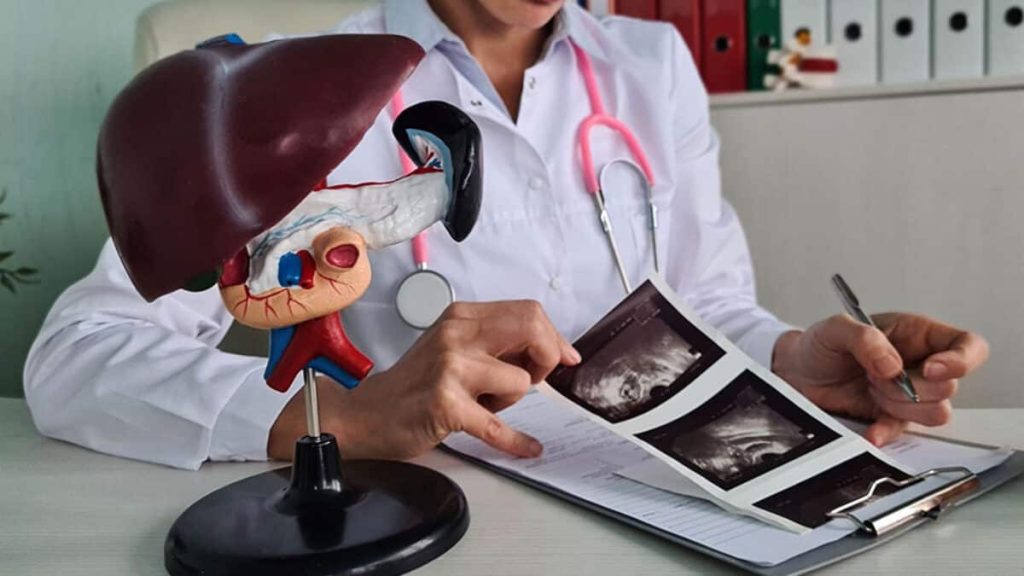
Elevated liver enzymes may be linked to fatty liver disease, medications, alcohol use, infections or other conditions requiring further assessment.

Frequent infections may indicate an underlying health issue, especially when they recur, last longer than expected or respond poorly to treatment.

Subtle dizziness, ankle swelling, nagging cough, or stubborn readings despite careful habits may mean your blood pressure medication needs adjustment.